


Diving in the Canary Islands
compared to
Diving in the Red Sea
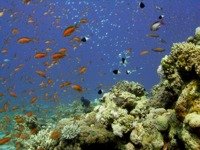
With uncertainty and threat surrounding many middle-east and far-east diving destinations such as Turkey, the Red Sea, and Thailand, you may be wondering how scuba diving in the Spanish Canary Islands compares with diving in popular Egyptian dive destinations on the Red Sea, such as Sharm-el-Sheik, Taba, Hurgada or Dahab.
You will find the Canaries islands are an excellent place to dive ... not as vivid in colour as tropical destinations, but much more prolific that the Mediterranean, and you can see sharks, rays, turtles and wrecks and plenty of brightly coloured fish - all year round.
If you are worried about regional instability caused by the war in Ukraine, or tensions caused by Iran, or contracting COVID-19 or other disease in a remote location, or the level of health care available to tourists, then you will find your dive break much more relaxing and enjoyable in a European destination such as the Canary Islands where stable government, effective COVID protocols and excellent Health infrastructure are in place.
The Canaries may surprise you as a diving destination :
- You can dive at almost 100 sites spread over the seven main Canary Islands
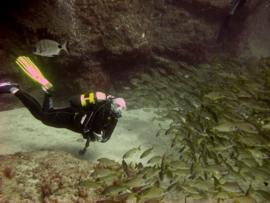
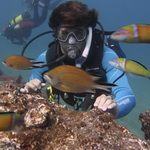
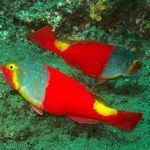
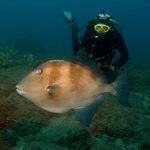
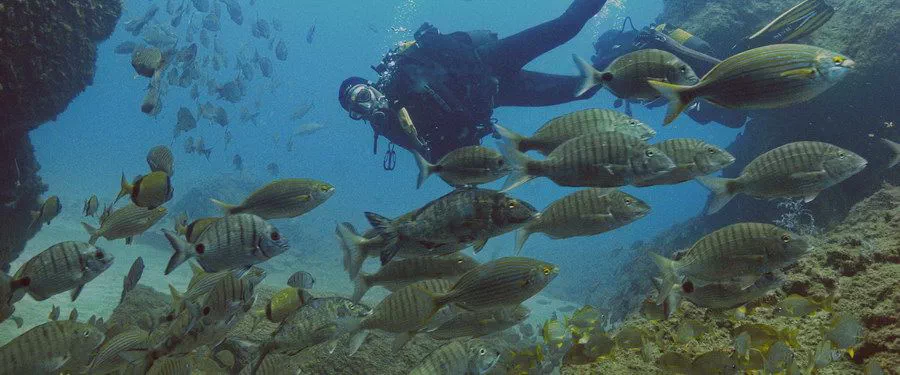
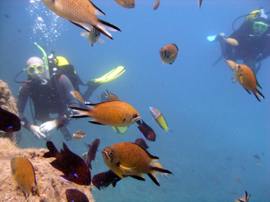
- You can swim with angel sharks, rays, barracudas, parrotfish, damselfish and a mix of sub-tropical and European species
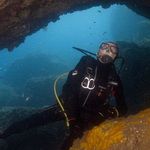
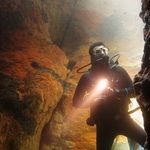
- For more experienced divers there are caves, volcanic tunnels, deep dives and wreck dives.
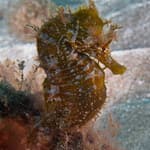
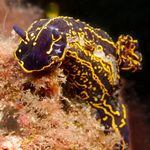
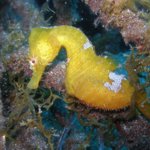
- If you are into macro photography you will love the nudibranchs, shrimps, and seahorses
- The water is warm enough to use a good wetsuit and you can dive all year round
- There is plenty for families and partners to do while you dive
Diving in the Canary Islands
The first surprise is that the Canaries and Red Sea Resorts are both as far South!. Two popular diving destinations, Sharm-el-Sheik in Egypt and Arinaga in Gran Canaria both sit at Latitude 27.85º.
Yet because of the geography surrounding both, the Canaries, which lie off the West coast of Africa) have a slightly cooler sub-tropical climate, while the Red-Sea has a warmer Tropical climate. In summer the difference in water temperature is significant with temperatures up to 30ºC in the water in the Red Sea, while the Canary Islands reach a peak of about 24ºC; however in winter the difference is much less, with the Red Sea cooling to low 20's while the Canaries, warmed by the Gulf stream in the Atlantic, only drop to around 18ºC.
Secondly, many people think that as the Canaries are 'in the Atlantic' that they suffer from the same sort of stormy weather, icebergs and cold water that could be used as a backdrop for a remake of 'Titanic'.
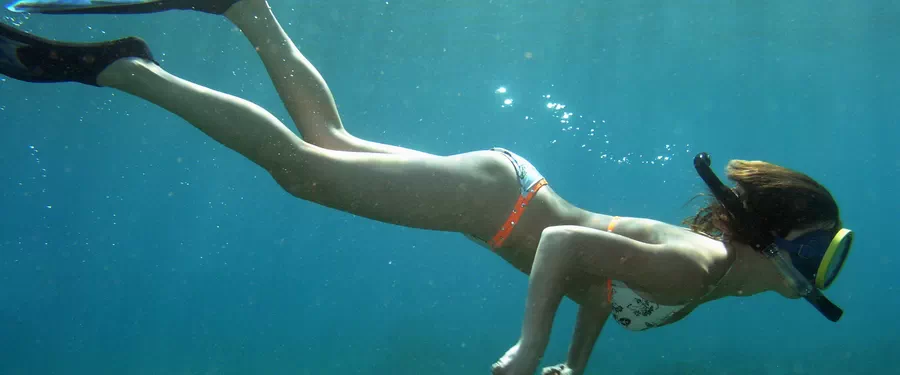
The reality is that weather conditions are very stable in the Canaries, with high pressure from the 'Azores High' for much of the year and steady trade winds in summer. Just like the Red Sea, the Canaries can have odd stormy days, but if you look at our history of diving conditions in Arinaga you will see that we dive nearly every day of the year.
The Canaries have always been renown for their sunshine, and even in winter there will be
the chance to top up the tan on the non-diving days. Surface temperatures in Egypt can sizzle
at over 45ºC in summer, while over in the seven islands that make up the Canarian Archipeligo, a temperature of around 35ºC is more common,
with the trade winds cooling the air. Las Palmas, the capital of Gran Canaria is rated as
having one of the world's best 'City' climates - not too hot in summer yet comfortably
warm in winter.
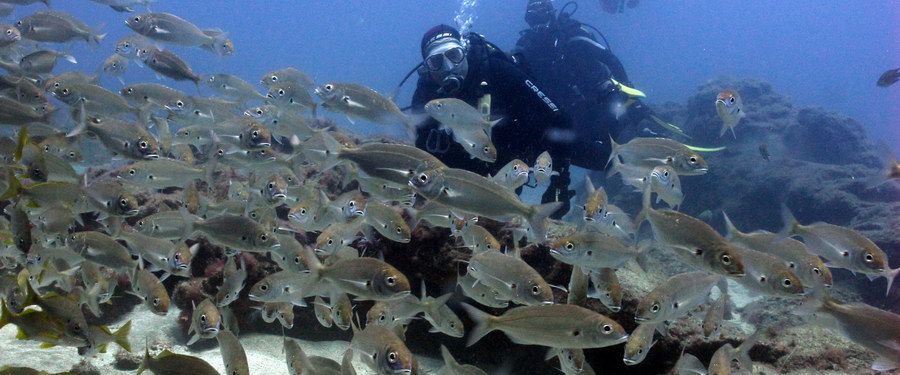
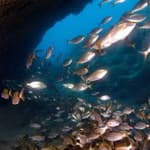
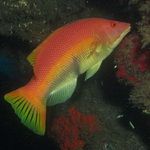
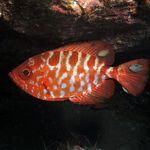
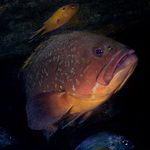
This difference is enough to restrict coral growth in the Canaries yet the diving conditions can be very similar, with good water clarity for most of the year in both areas. The Canary Islands have a range of colourful fish including Parrotfish, wrasse, damselfish, glass-eyes and more, and if the Canary Islands lack the variety of Egypt, there are still many species common to both areas, including lizardfish, goatfish, pufferfish, barracudas and moray eels.
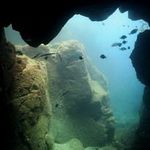
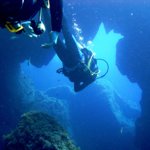
More of interest to divers, is that the volcanic seabed has many dramatic rock formations that can be a major attraction to diving in the Canaries. The volcanic rock has been eroded in many of our dive sites to create caves, swim-throughs and spectacular underwater arches. And if you like the dark it is easier to organise a night dive in the Canaries, as they are not hindered by 'Security Restrictions'.
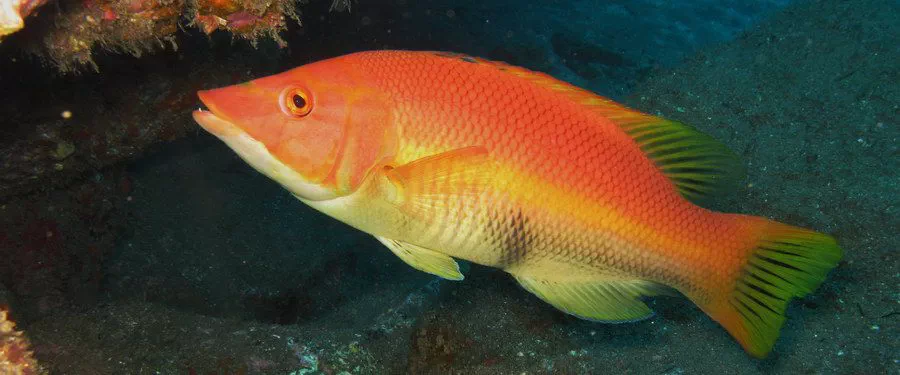
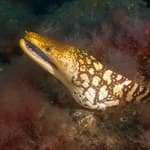
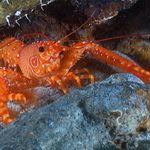
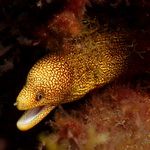
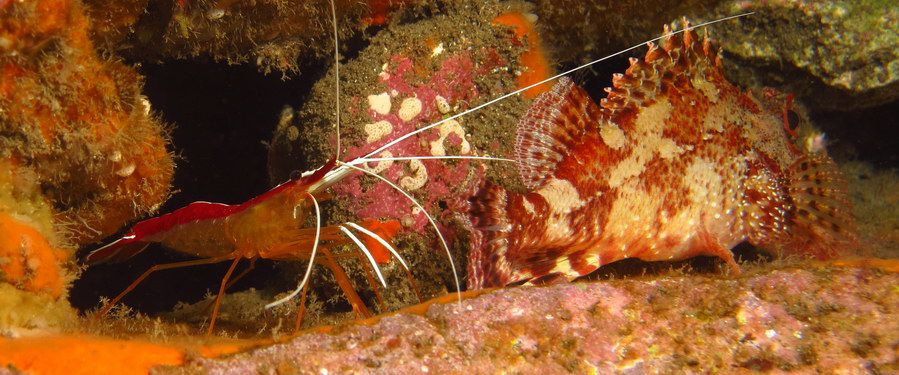
If you are bringing your camera to take underwater photos then there are plenty of colourful subjects, such as cleaner shrimps, tiger morays, glasseyes, parrotfish, damselfish and wrasse. Watch the video below of just one dive in Gran Canaria and you will get a good idea of the variety and colours of the marine life here.

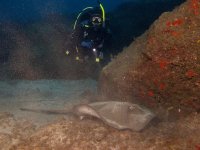
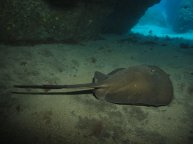
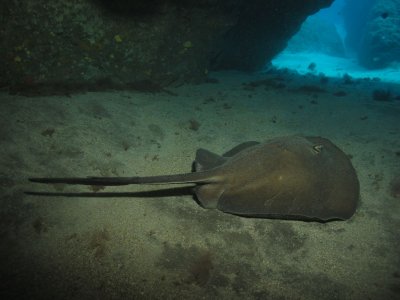
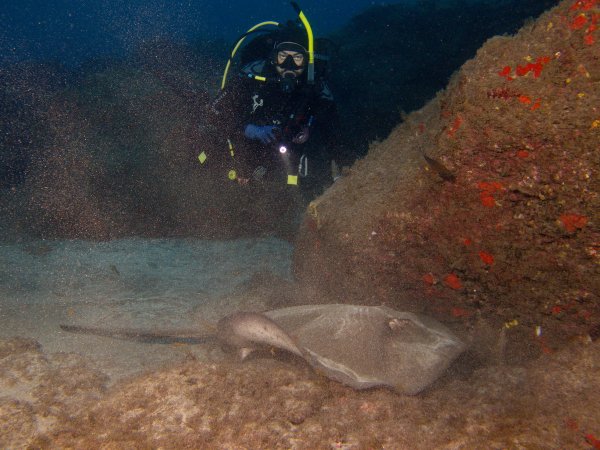
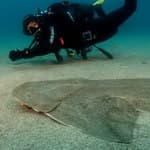
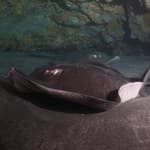
The Canaries are also a great place to see bigger species, such as angel sharks and rays.
There are five common species of rays (common, round, marbled electric, eagle and butterfly
ray) and occasional visits from rough-tailed, and bull rays, manta rays (in autumn) and
skate.
Another misconception is that diving in the Canary Islands is similar to the Mediterranean.
Fortunately this is not the case, as the Canaries have not suffered from the over-fishing of
the Mediterranean, and are much warmer all year round than the Med. Diving in one of
the high-energy dive sites of the Canaries such as the El Cabrón Marine Reserve in
Arinaga is a much more interesting experience to visiting some of the relatively lifeless areas in the Mediterranean.

Finally, if you are into wreck diving rather than reef, then Las Palmas in Gran Canaria has one of the best collections of diveable wrecks in the Atlantic. "The wrecks here are bigger and better than most Red Sea wrecks" is what one photo-journalist said when he did his first dive on the Arona outside Las Palmas.
Where are the best places to dive in the Canary Islands?
- El Hierro is one of the top locations, but it is also one of the most difficult to get to especially from Northern Europe. You have to fly to Tenerife then get a ferry to the Island.
- Gran Canaria is the most Southerly Island, and the El Cabrón Marine Reserve in Arinaga, is one hot-spot that is easy to get to, where you can regularly and safely see angel sharks in winter. It was highlighted by PADI as one of 'Three Incredible Marine Reserves' in a recent Blog post
- The Los Gigantes dive site in Tenerife is famous for the stingrays, which some of the dive centres used to feed by hand
- Las Palmas on Gran Canaria has the biggest wrecks, including the Arona and Frigorifica, and the 'Catedral' is a dive into huge underwater caverns that should not be missed.
- Puerto del Carmen in Lanzarote has several wrecks close to the harbour.
- Lanzarote has three areas for diving, with good dive sites on the Islas Lobos near Corelejo, and a popular reef in the South near Morro Jable / Jandia.
It is not possible to 'Island-hop' from one island to another on the same day and easily dive on two dive sites on different Islands. However you can catch ferries from one island to another and then drive to get connections to the outer islands.
 5
Stars -
"What a fantastic outfit!"
5
Stars -
"What a fantastic outfit!"
26-02-2018 Cleopatra_CB Published by Tripadviser.com See full review
PADI Training Courses in the Canary Islands
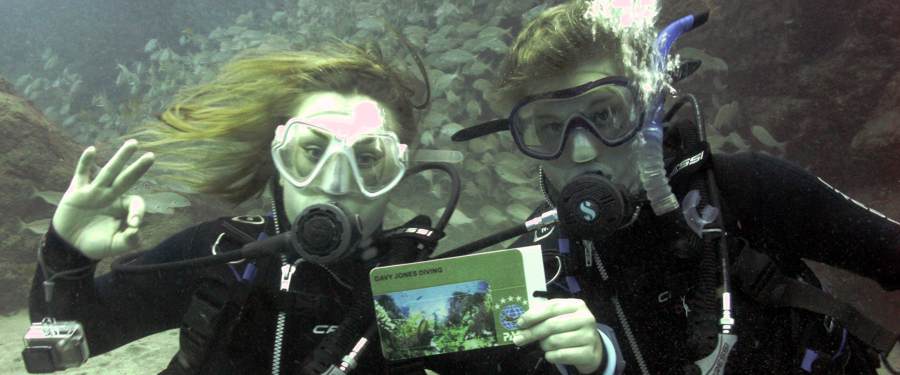
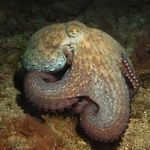
When it comes to diver training, there is little to choose in terms of facilities and structure between the Canary Islands and the Red Sea. Both have long established, professional training Schools, which are regulated by their governments to achieve high standards of safe training. There are schools which cover PADI, BSAC, CMAS, ACUC and several other training brands throughout the Canaries. Particularly for those looking to fit in a course quickly, the ability to vary flight days can mean that you do not need to spend a full week away to get a qualification that is done in two or three days. Diving hot-spots such as the El Cabrón Marine Reserve make an excellent place to take courses such as the PADI Open Water Course because you get to see lots of interesting marine life such as cuttlefish, arrowhead crabs, octopus, trumpetfish, parrotfish, damselfish, wrasse and much more on all the training dives. We run courses all year round in the El Cabrón Marine Reserve so there are no restrictions on when you can do your course.
Canary Islands for Families?
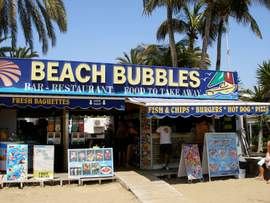
With current safety concerns over global terrorism and global migration, if you have a family with you they will feel safer and secure in the Canary Islands. The Canaries have a much better developed infrastructure for tourists, and are a modern, western country with a stable economy, good communications and government, and they have created an open and accessible tourist economy with a wide range of family and adventure options. You can hire a car, visit local villages, and sample local foods without needing a private security guard.
There is a huge range of accommodation in the Canaries from simple apartments to five star luxury. Packages are easy to organise and there are plenty of flights from all over Europe. In contrast, many families feel constrained by the security, religious and cultural differences in Egypt. For families in particular, with a mix of diving and non-diving members, the Spanish Canary Islands offers options such as stunning beaches, theme parks, carnivals, concerts, mountain walks, unrestricted travel, car hire and diversity which are more and more difficult to find in Egypt.
Summary
If you want a good dive destination without a seven hour flight then you should come and
try the Canaries. The Canaries have much more variety of diving than the Mediterranean, as
well as warmer seas. If you are worried by the political uncertainties or heavy security in
Egypt, or looking for a short 'winter sun' break with a couple of days diving, or perhaps a
family holiday where diving is just part of the mix, then the Canary Islands have many
advantages.
When you take into account the ease and frequency of flights to the Canaries; low-cost
flights from Ryanair and others; Euro pricing and currency and good technology support and
infrastructure; then the Canaries can make a great place for a 'long diving weekend' or mixed
activity trip.
Still got questions about diving in the Canaries? Please do not hesitate to contact us and we will be happy to help!.

NO Deposit, Cancellation or Change fees!